Learning Experience
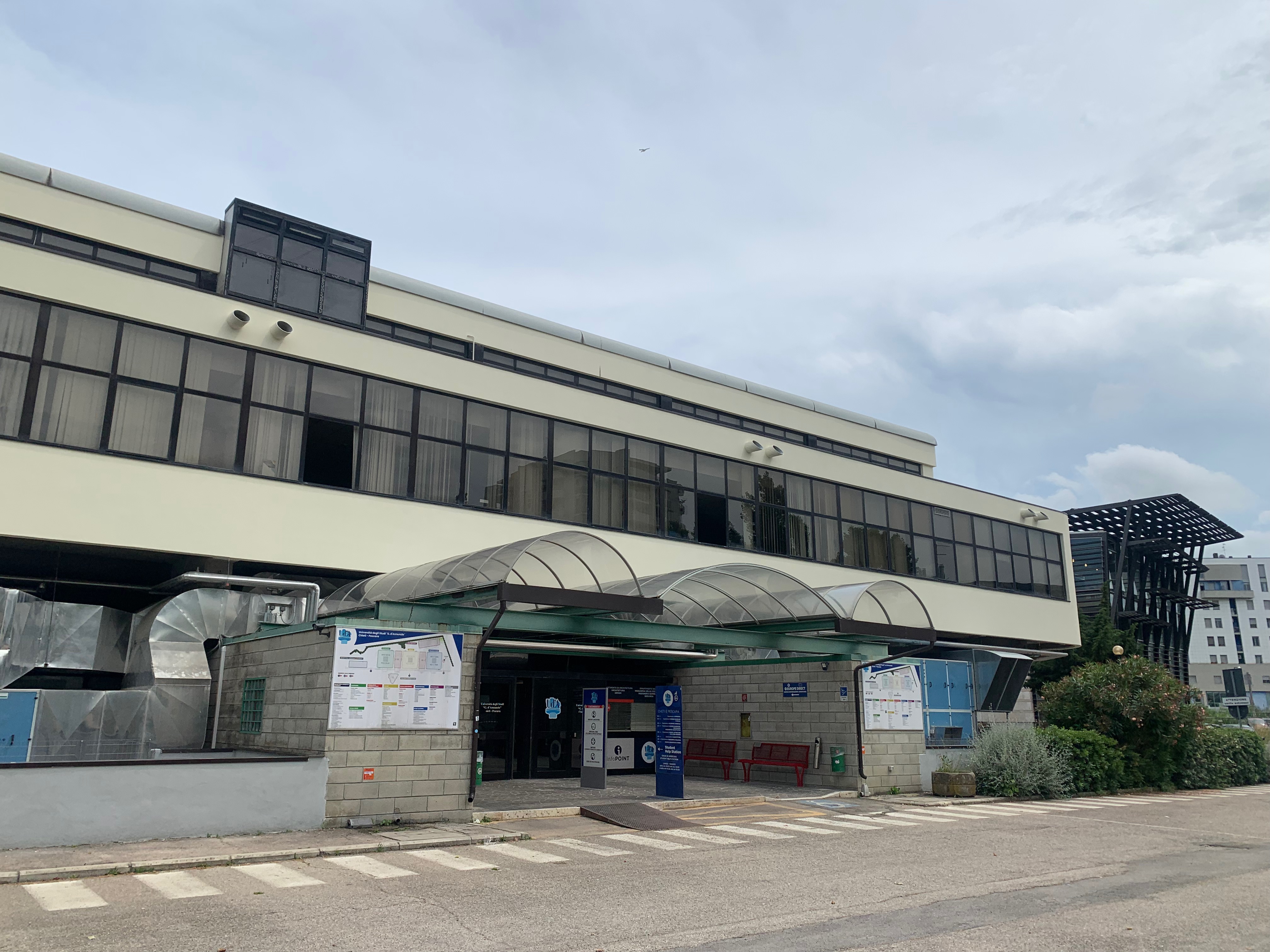
University Services and Student SupportApp for on line services Teaching Materials Free bike-sharing – bikes for free at both campuses. Ask to your campus Help Station |
Fieldwork and Field trips
 |
|
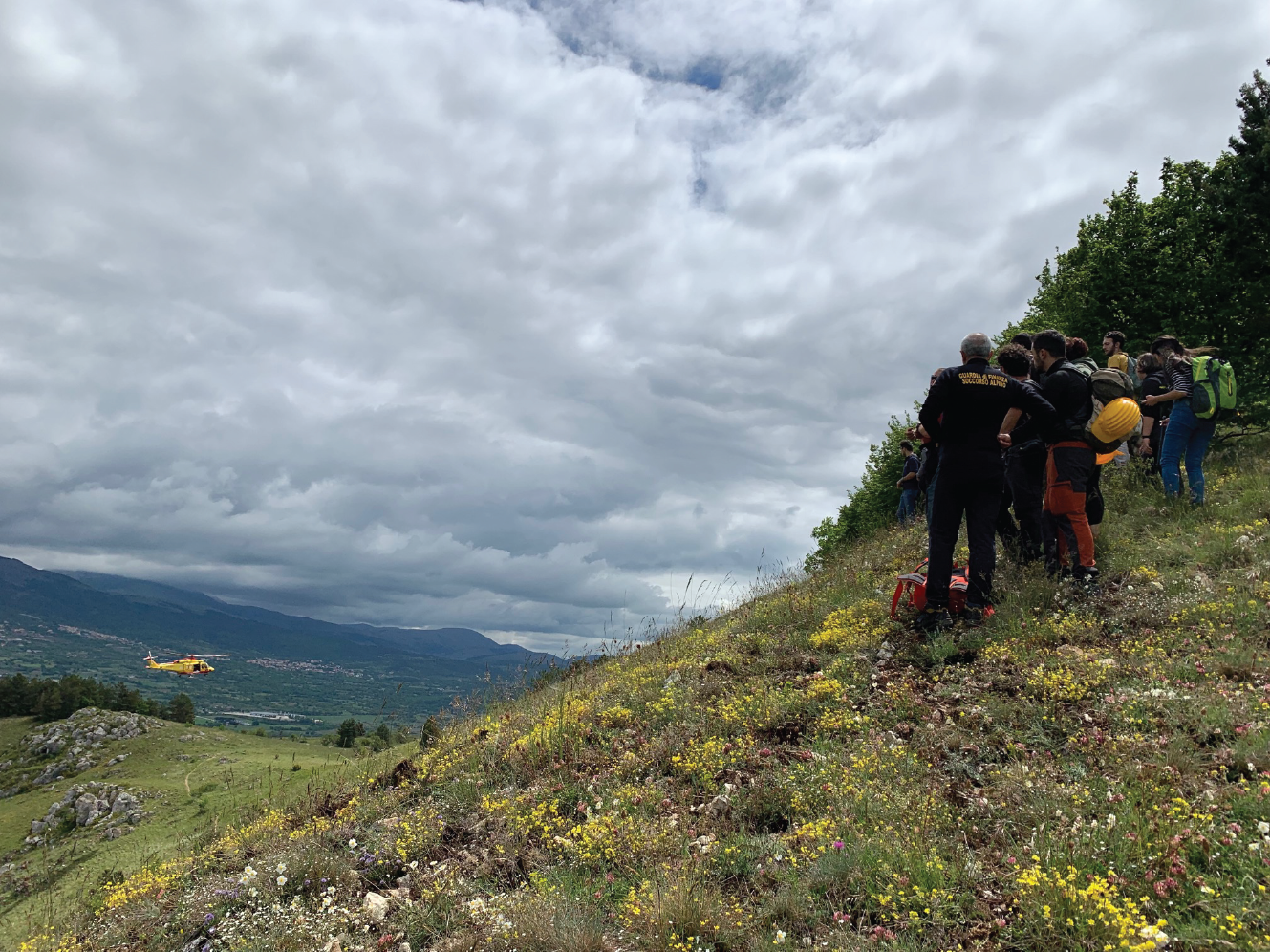
Learning planetary geology through field-based experience. Fieldwork is a key component of the Master’s degree programme, providing students with hands-on experience in the study of planetary processes through terrestrial analogues. These are sites on Earth whose geological and environmental conditions resemble those found on other planetary bodies, offering a unique opportunity to investigate planetary geology in a real-world setting. Fieldwork also plays a fundamental role in linking satellite- and airborne-based observations to the scale of human observation, helping students understand both the potential and the limitations of remote analyses.
|
Laboratories and Data Analysis
|
The programme provides hands-on training in the processing and analysis of data from space missions and Earth observation systems. Students work with real datasets to investigate planetary surfaces, Earth analogues, and planetary interiors, developing skills in imaging, geological mapping, and quantitative analysis.
|
 |
Internship
Internships are an integral and mandatory component of the Master’s degree programme. The programme provides a list of partner institutions and organizations where students may apply for internship positions. At the same time, students are encouraged to identify and propose their own internship opportunities, subject to approval by the programme.
Internships may be carried out in Italy or abroad and are designed to complement the academic training of the programme. In many cases, internship activities can be closely linked to the Master’s thesis, allowing students to gain professional or research experience in an international context.
Students may also be eligible to apply for mobility funding to support internship activities abroad through institutional programmes, such as the Erasmus+ Traineeship mobility scheme or the New season project offered by Università d’Annunzio:
https://www.unich.it/international/mobilita/traineeship
https://www.unich.it/international/new-season-pnrrtne
List of partner institutions:
Istituto Nazionale di Astrofisica: http://www.inaf.it/en
International Research School of Planetary Sciences: IRSPS – International Research School of Planetary Sciences: https://www.irsps.eu/
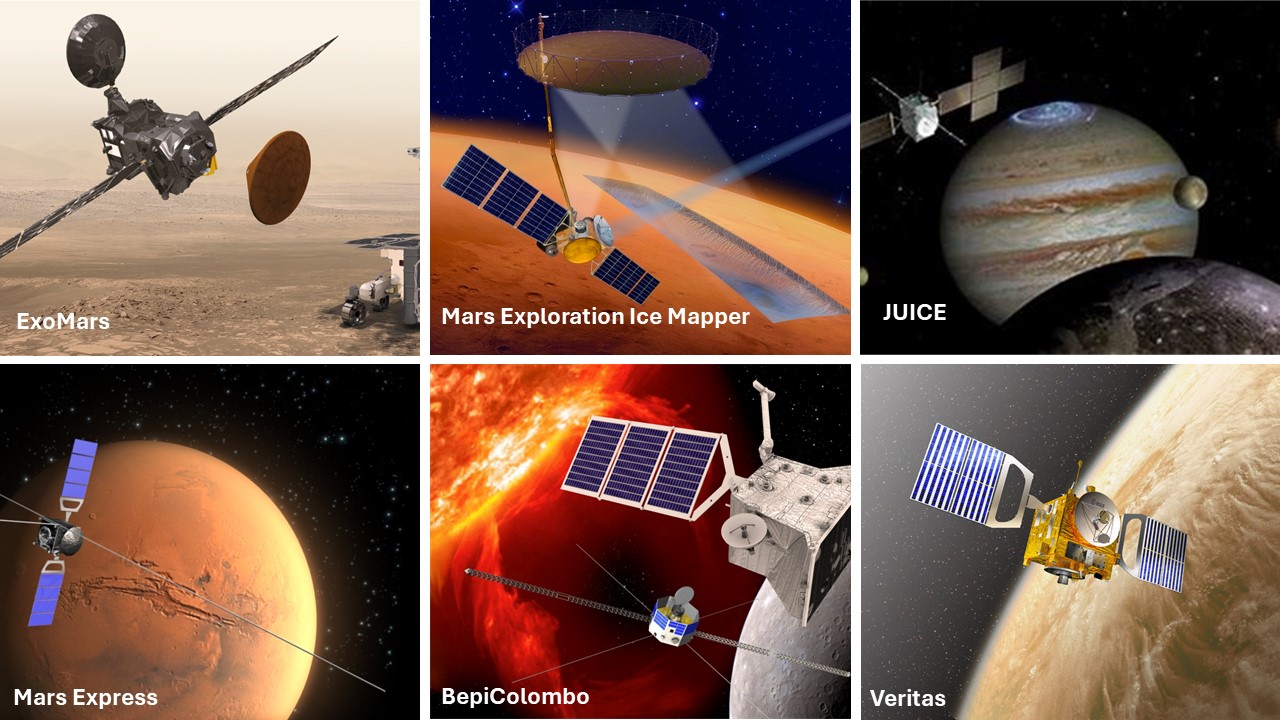 |
Research and Master’s ThesisThe Master’s thesis represents a central component of the programme and offers students the opportunity to carry out advanced, research-oriented work within a dynamic and international scientific environment. Thesis projects are developed in close collaboration with the teaching staff and are often connected to ongoing research activities, international space missions, and funded projects in planetary sciences and Earth observation.
|
International and Multidisciplinary Environment
The programme offers a strongly international and multidisciplinary academic environment, while maintaining a solid and clearly defined geological perspective. Students work in a context where planetary science, geophysics, remote sensing, data analysis, and space-related disciplines are integrated to address complex scientific problems, with geology as the unifying framework.
Students come from diverse educational and cultural backgrounds and interact with a teaching staff whose expertise spans multiple disciplines, all contributing to a comprehensive understanding of planetary and Earth systems from a geological viewpoint. This approach allows students to develop the ability to combine different methods and datasets while preserving a strong grounding in geological interpretation.
Through coursework, field activities, research projects, and internships, students gain experience in an international environment that prepares them for careers in research, space agencies, and professional contexts where geological expertise is applied to planetary and Earth observation challenges.
Orientation, Academic Advising, and Career Guidance
Students are supported throughout the programme through orientation activities, academic advising, and career guidance. Orientation sessions and dedicated seminars are organized during the academic year to introduce students to the programme structure, research opportunities, internships, and career pathways in planetary sciences and Earth observation.
Academic advising and career guidance are provided through individual consultations with designated academic staff members, who support students in planning their study path, selecting internship opportunities, and developing their Master’s thesis.
Academic and Career Advisors
For academic advising and career guidance, students may contact the designated academic staff members listed on the Contacts page.
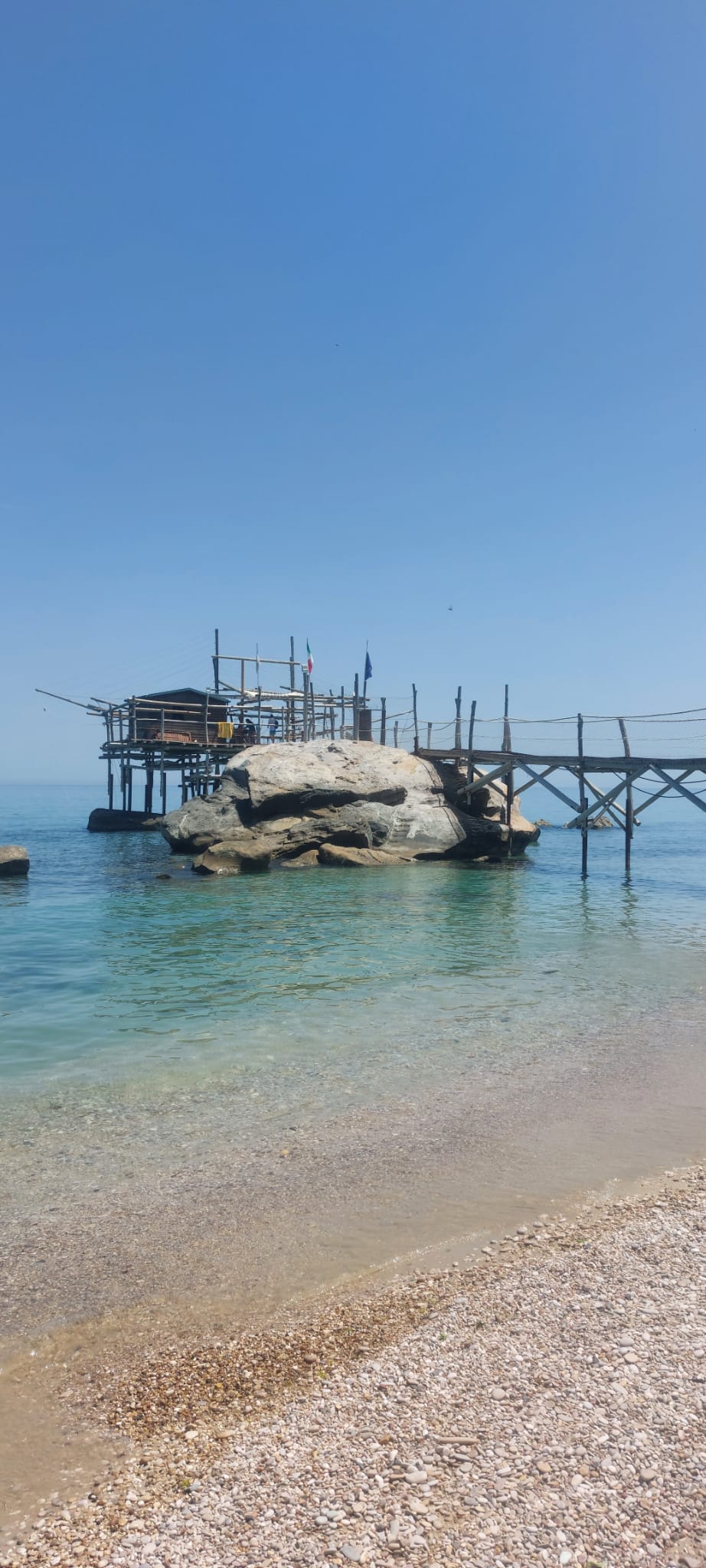
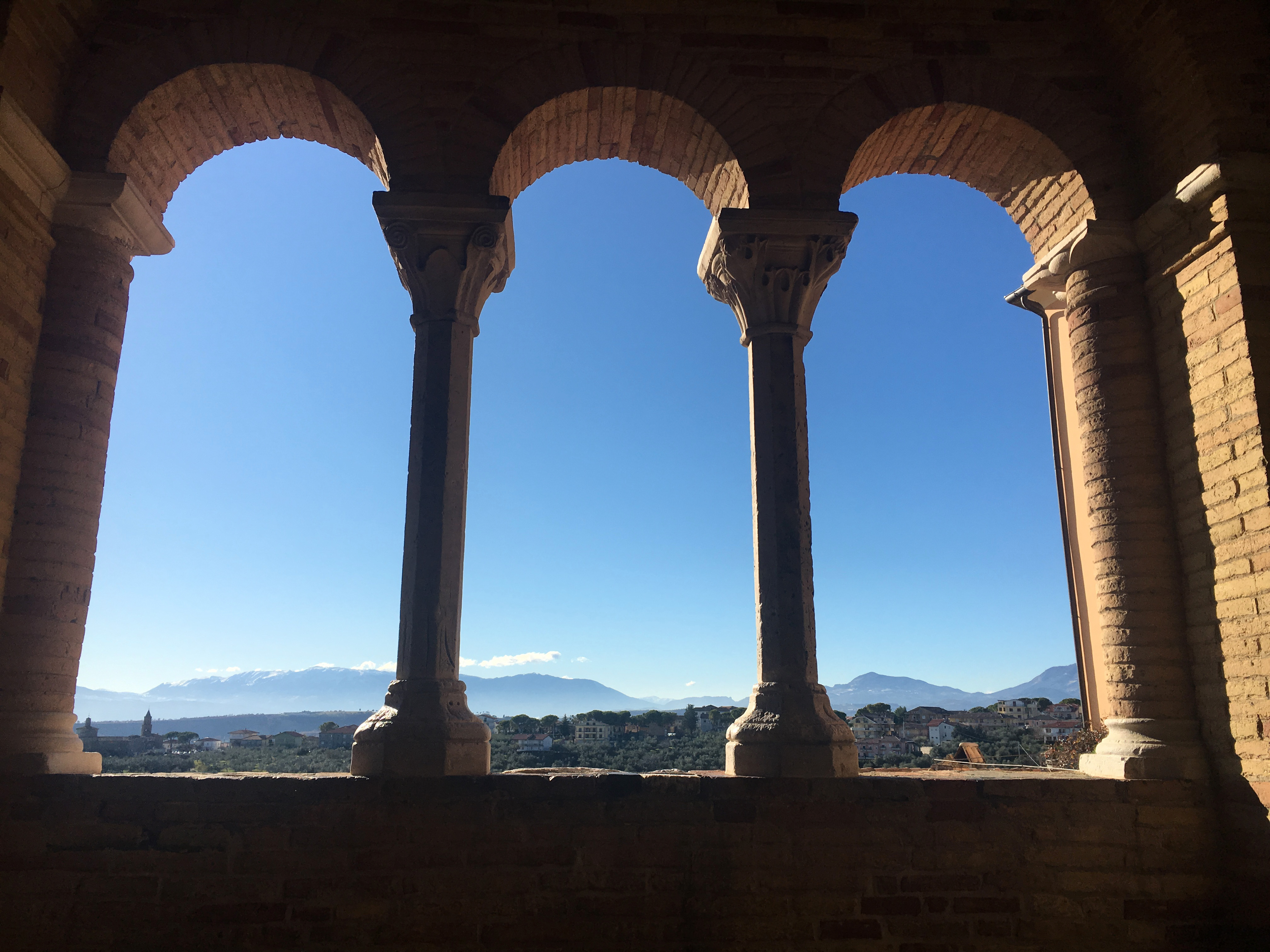
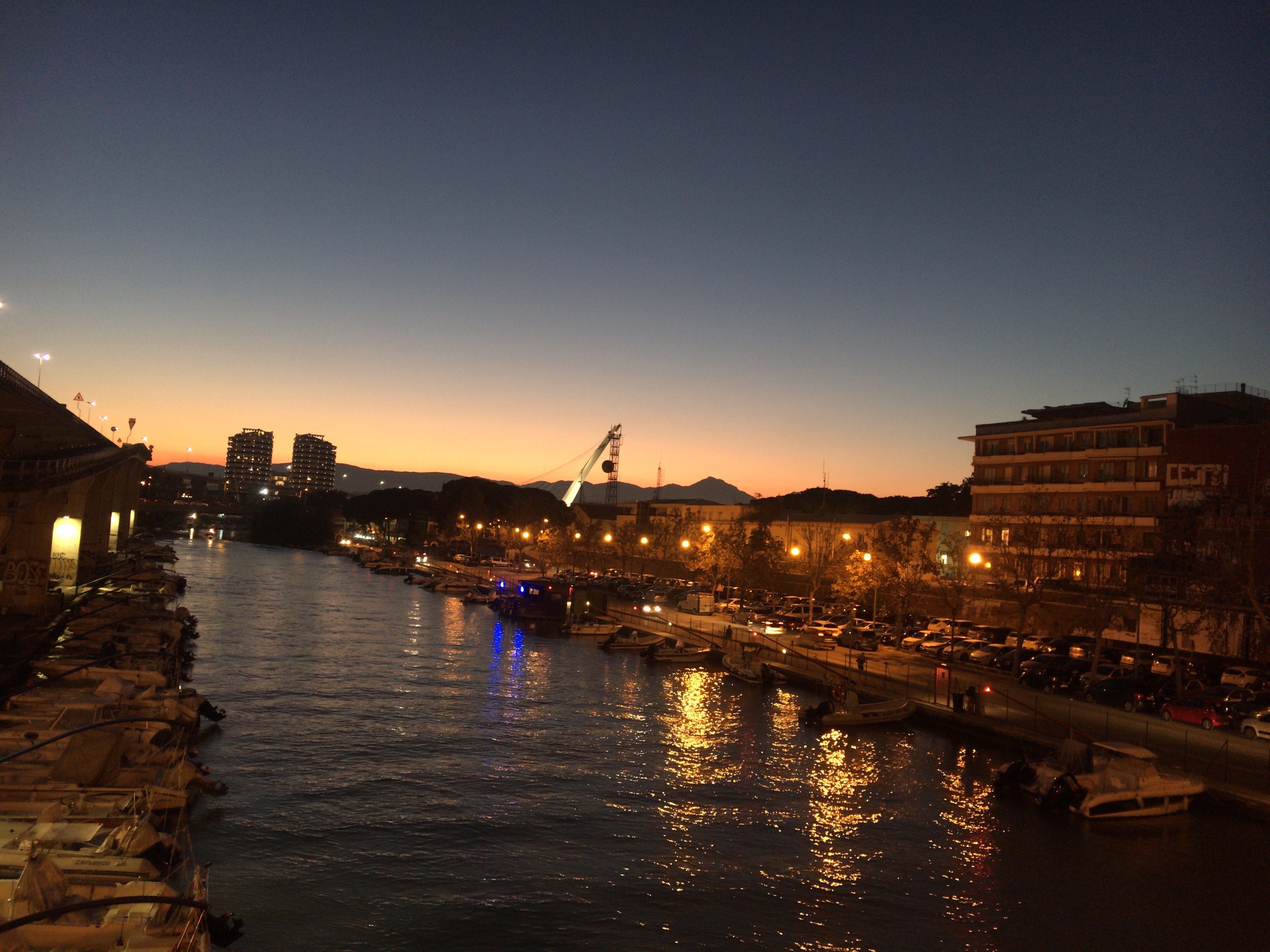
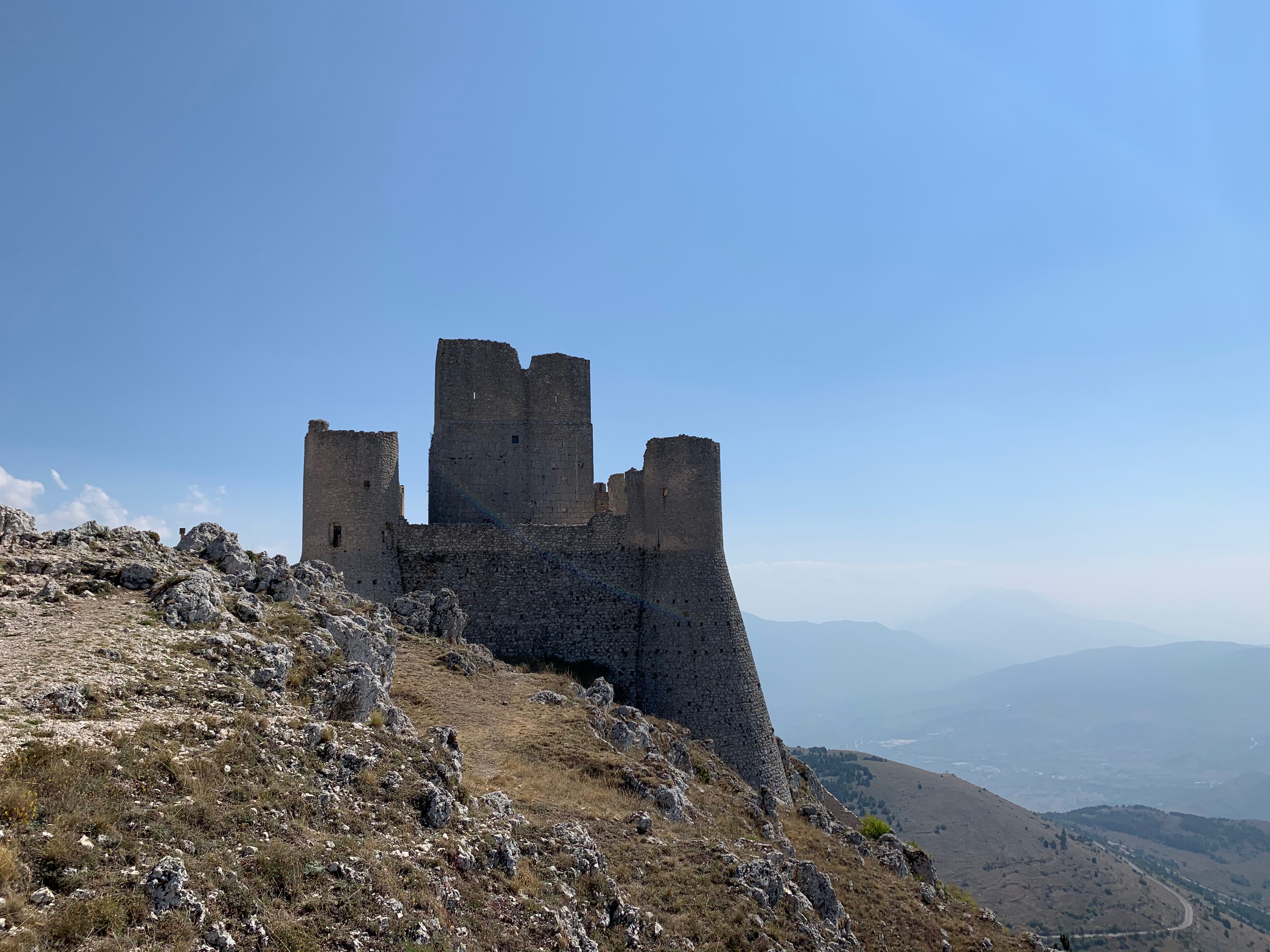
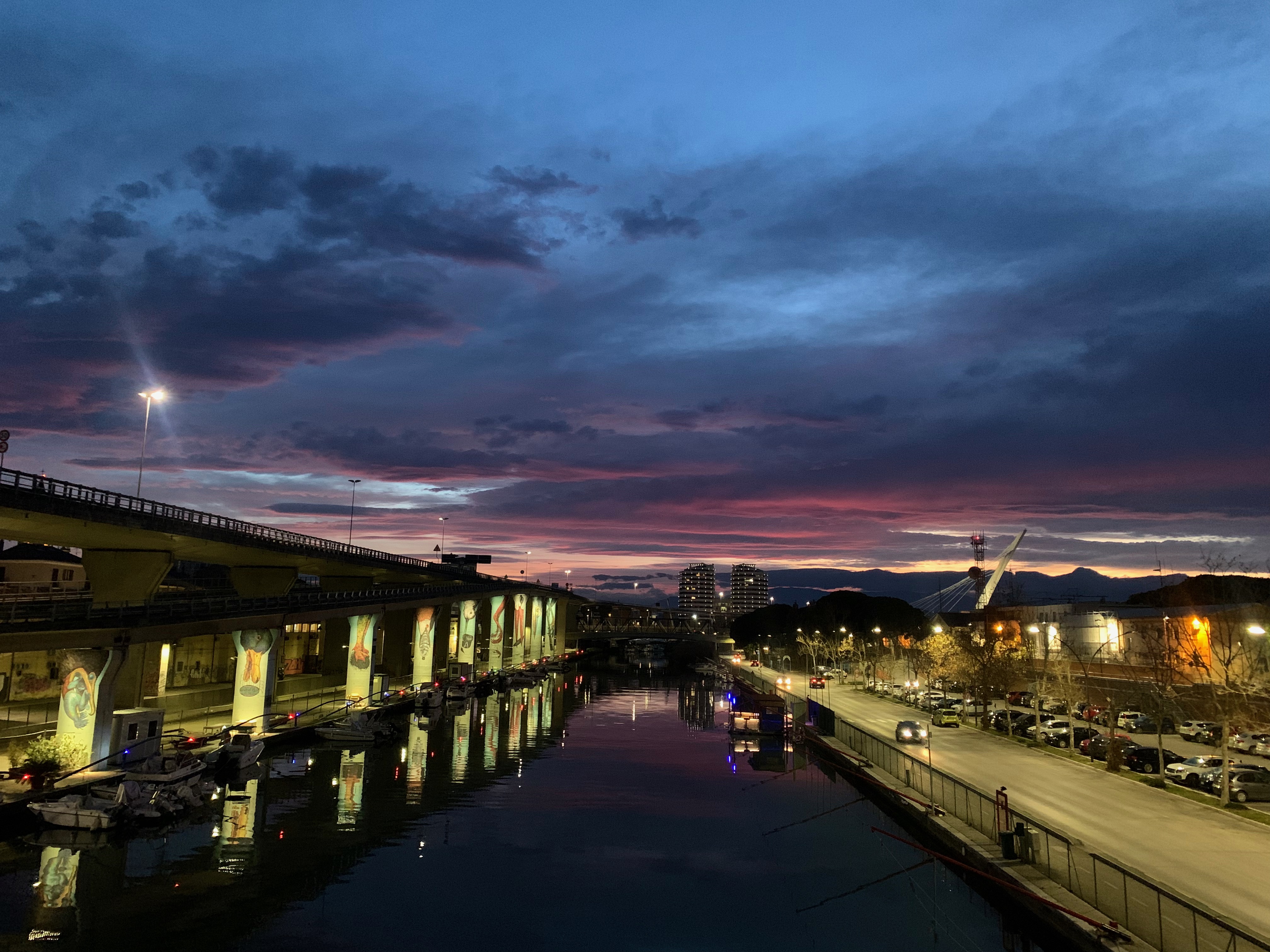
Living in AbruzzoAbruzzo is a diverse and welcoming region in central Italy, known for its unique combination of coastline, mountains, and natural parks. The programme is based in Pescara, a lively coastal city on the Adriatic Sea, offering a high quality of life, affordable living costs, and a vibrant student community. With a mild climate and easy access to the sea, the Apennines, and major Italian and European destinations, Abruzzo provides an ideal setting for an enriching academic and personal experience. HousingUniversità d’Annunzio provides limited but structured support for student accommodation in Pescara. Students may choose between a university-affiliated residence or private accommodation options. Option 1 – University Residence Option 2 – Private Accommodation Students may also independently search for private accommodation using common online rental platforms and local housing networks. How to reach usBy Air Once in Pescara, local public transportation is provided by Trasporto Unico Abruzzese (TUA), the regional public transport operator. Bus services connect the city center, the university facilities, and surrounding areas. Bus routes and schedules Living and Discovering AbruzzoAbruzzo is a region in central Italy characterized by a unique geographical diversity, where the Adriatic coastline meets hilly landscapes and the Apennine mountains. The region hosts three national parks and a wide range of natural environments, making it an area of exceptional environmental and cultural value. Estimated Monthly Living CostsThe cost of living in Pescara and the Abruzzo region is generally affordable compared to larger Italian cities. Estimated monthly expenses for students may include: Rent: approximately €200–300 (shared apartment) Erasmus Student NetworkFurther information and contact details are available through the Erasmus Student Network (ESN) of Chieti-Pescara. |
 |
 |
|
 |
|
 |
|
 |
Scopri cosa vuol dire essere dell'Ud'A
SEDE DI CHIETI
Via dei Vestini,31
Centralino 0871.3551
SEDE DI PESCARA
Viale Pindaro,42
Centralino 085.45371
email: info@unich.it
PEC: ateneo@pec.unich.it
Partita IVA 01335970693


